Have you ever looked at your car's paint under the sun or in any light? Don't be surprised to find fine scratches and swirl marks here and there. You could be the world's most careful driver, but you can't avoid damaging your car's paint or clear coat.
Whatever road you drive on, there will always be small debris that will scratch your paint's surface. The sun, acid rain, bird droppings, and even tree sap can also damage your paint when you're not on the road. Other times, you may be washing your car and unintentionally create swirl marks from the cloth you are using due to brake dust or the road grime on your vehicle.
As a car owner, you want your car as perfect as possible even when the elements are against you. You may be unsure how to obtain paint that looks as perfect as when it was new. You can always try paint correction for auto paint.
At Chow's Detailing, our paint correction process eliminates the surface damage on your entire vehicle's paint. Our team is highly specialized and has excellent customer support service. Still not sure? Read our paint correction process and get in touch with us today!
When Should I Get Car Paint Correction
Paint restorations take time and a bit of experience. While DIY paint correction for car owners is always an option, you could destroy your clear coat. So it's best left to an experienced auto clear coat correction specialist. But how do I know it's time to get a paint correction?
- Faded exterior leaving your car in the sun without paint protection causes fading, along with acid rain, tree sap, bird droppings, and other chemicals. When your color fades, it's time to call Chow's Detailing.
- Light scratches and spider webbing road debris, improper washing, and environmental hazards leave fine marks. A paint damage restoration appointment removes those slight imperfections.
- Dings and dents occasional big dents on a body panel are tough to remove without causing paint defects, so leave them to the pros.
How is Paint Correction / Restoration Done?
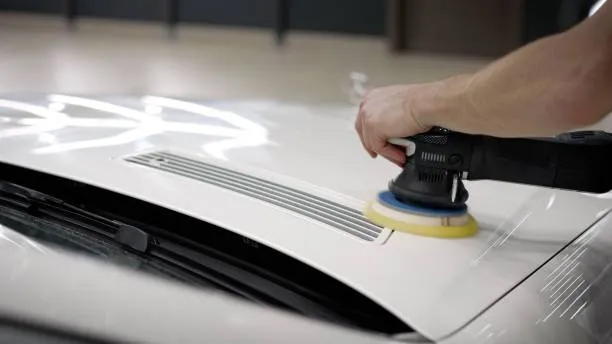
Paint correction refers to repairing a vehicle's finish or clear coat. During the procedure, a rotary buffer, wet sanding or machine polishing, microfiber towel, and polishing compound are used to level or remove the deep cuts on a car's clear coat.
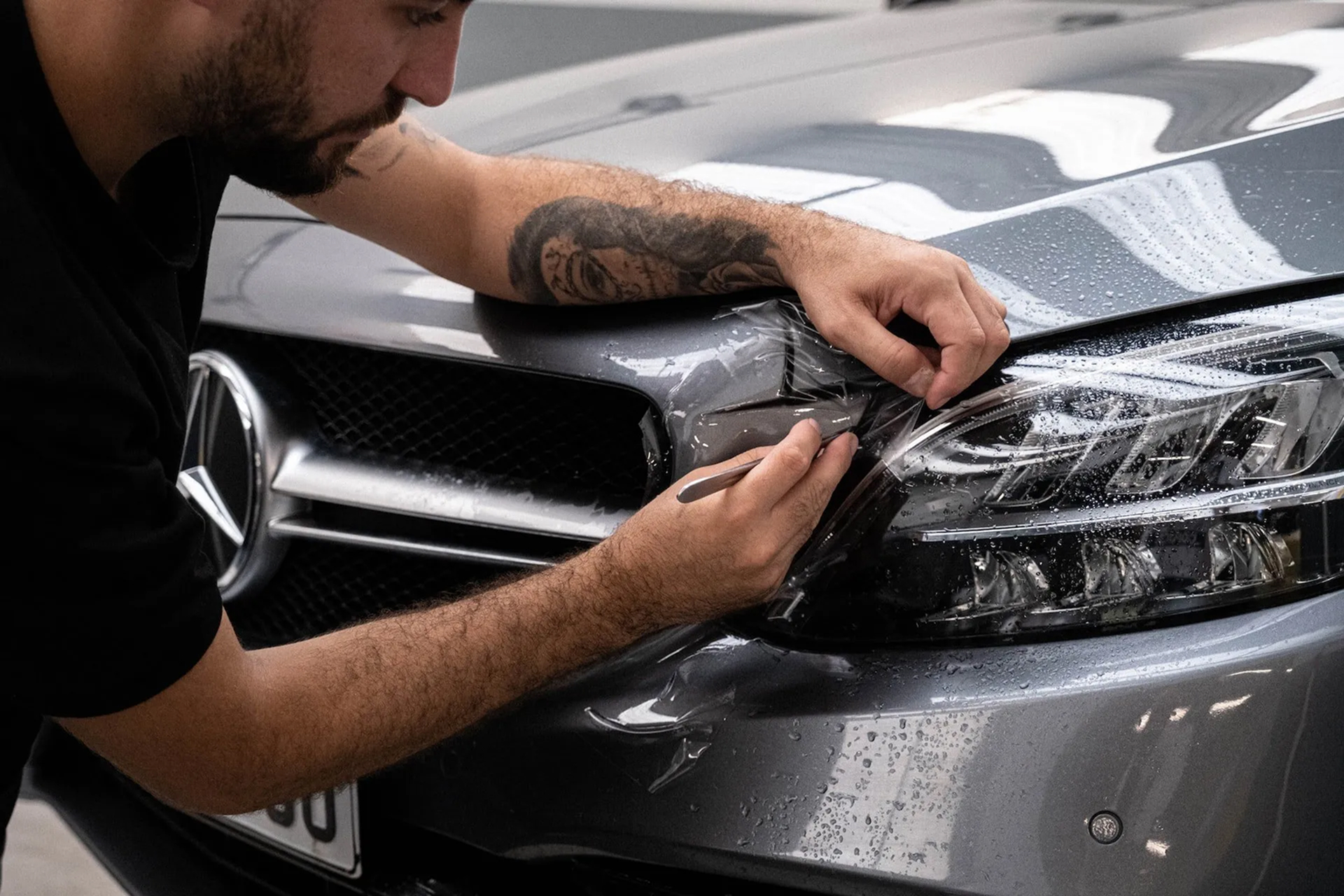
While paint protection can be DIY over the weekend, it's quite a delicate job. If you are not experienced enough, it's easy to damage the clear coat beyond repair or get an orange peel effect which would need a repaint for most vehicles. So, before getting a ceramic coating, paint protection film, or any other protective coating, have a paint correction done for excellent results.
Depending on how bad your vehicle's clear coat is, prepping for a ceramic coating can be done in multiple stages.
Level 1 Paint Correction
Before you can even begin restoring the car's clear coat, you need to remove all the grime, rain spots, and swirl dirt from the surface. Polishing a dirty surface may add more imperfections to your auto exterior. After a nice clean, your vehicle needs to undergo a thorough inspection to identify all the areas that need correction. A secondary review will follow if anything is missed in the first round.
The first level or single-stage paint correction is usually straightforward, using a cutting compound and a pad either by hand or a machine. This step removes the swirl marks, micro marring, and minor imperfections requiring one-pass cutting. Level one correction removes more than 50% of the defects and includes a wash, wax, and paint sealant. At this stage, you can also get ceramic coatings.
Level 2 Paint Correction
With level two, the goal is to remove more than 75% of the imperfections. This is perfect for a clear coat with average swirl marks, marring, or other defects. It goes from an abrasive polish to a more refined compound to eliminate all the minor scratches. The requirements for this stage are polishing pads, an electric polisher, and a heavy cutting compound. This is the prime stage to get your vehicle ceramic coated.
After both level one and two exterior restorations, your car needs polishing to bring out the gloss. A polishing pad levels the clear coat and causes it to shine as flawlessly as it left the factory including light lenses, door handles, side view mirrors, fenders, and other trims. Try it with a new vehicle to appreciate how polishing changes your car.
How Can I Protect My Paint After Auto Paint Correction?
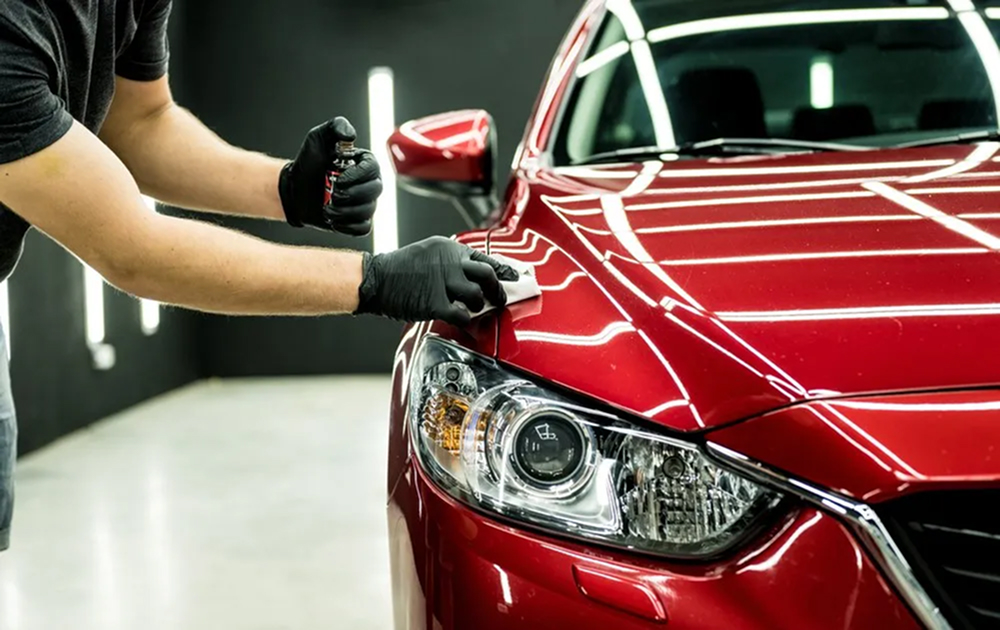
After car paint restoration, it's time to give your paint's clear coat a protective layer to avoid exterior damage in the future. While automotive wax is the number one choice for many car owners, it's a temporary fix and a pretty labor-intensive process in the long run. Want to keep your paint looking brand new for a long time? Try getting a nano-ceramic coating or paint protection film to ensure long-lasting protection for your vehicle's exterior.
“Correct first, then protect. A flawless surface is the only foundation a coating should ever bond to.”
Ethan Chow
Get Your Paint Correction from a Certified Specialist in Houston
Get world-class paint correction services from a team of certified automotive specialists in Houston, Texas. Our professional paint correction eliminates paint imperfections through a multi-stage process using top-of-the-range products and equipment.
At Chow's Detailing, we also offer complete vehicle detailing solutions for your interior and exterior plus ceramic coating for paint protection. Call us at (281) 705-3482 for a free estimate or book online today!